Why has AI started to be used in road inspection? A quarter of Japan's municipalities have no engineering staff
AI has started to be used in road inspection because the number of old bridges that must be inspected every five years is rising while the number of engineers to inspect them is falling. The inspection rules, the numbers of old bridges and engineering staff, what AI helps with and what people still decide, from government sources.
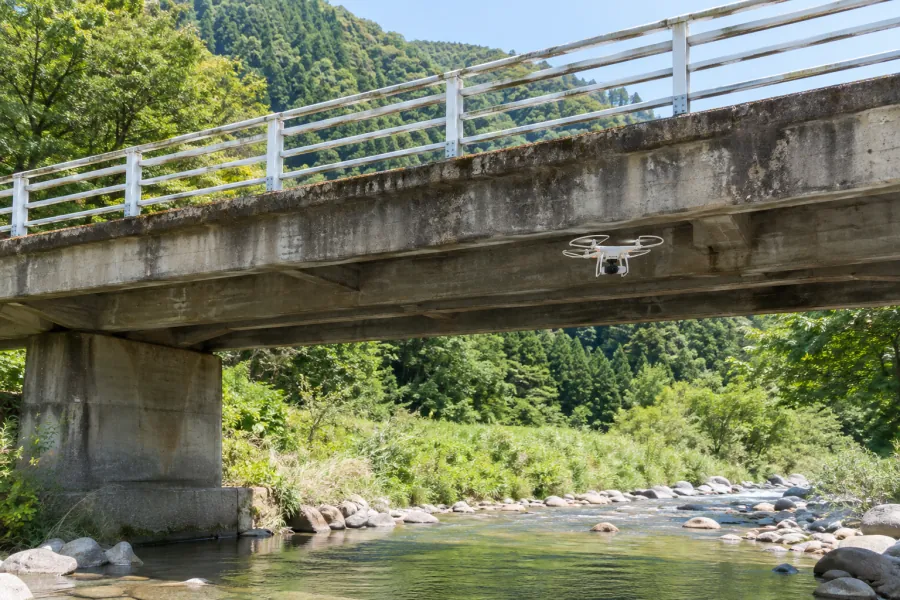
AI has started to be used in road inspection because the number of old bridges that must be inspected every five years is rising while the number of engineers to inspect them is falling. About a quarter of Japan's municipalities have no civil or building engineers on staff at all. What AI takes on is finding damage in photos and video; deciding whether to repair is still done by people. If you notice a pothole or other damage on a road you use, you can report it to the Road Emergency Dial (#9910) by phone or LINE.
Who inspects roads, and how often?
Since fiscal 2014, road managers (the national government, prefectures, municipalities and expressway companies) have been required to inspect every bridge, tunnel and road facility such as overhead signs once every five years. The first round finished in fiscal 2018, the second in fiscal 2023, and the third began in fiscal 2024 (source: MLIT: results of the fiscal 2024 inspections of bridges and other structures).
In fiscal 2024 alone, 131,810 bridges were inspected. Of these, 7% were diagnosed as needing repair soon (category III) or urgently (category IV).
Why is AI needed for inspection now?
Because old bridges are increasing. The share of road bridges more than 50 years old is expected to rise from about 37% in March 2023 to about 54% in March 2030 and about 75% in March 2040 (source: MLIT: the current state and future of ageing infrastructure). The number of bridges over 50 years old grew from about 130,000 at the end of fiscal 2018 to about 230,000 at the end of fiscal 2024 (MLIT, fiscal 2024 inspection results).
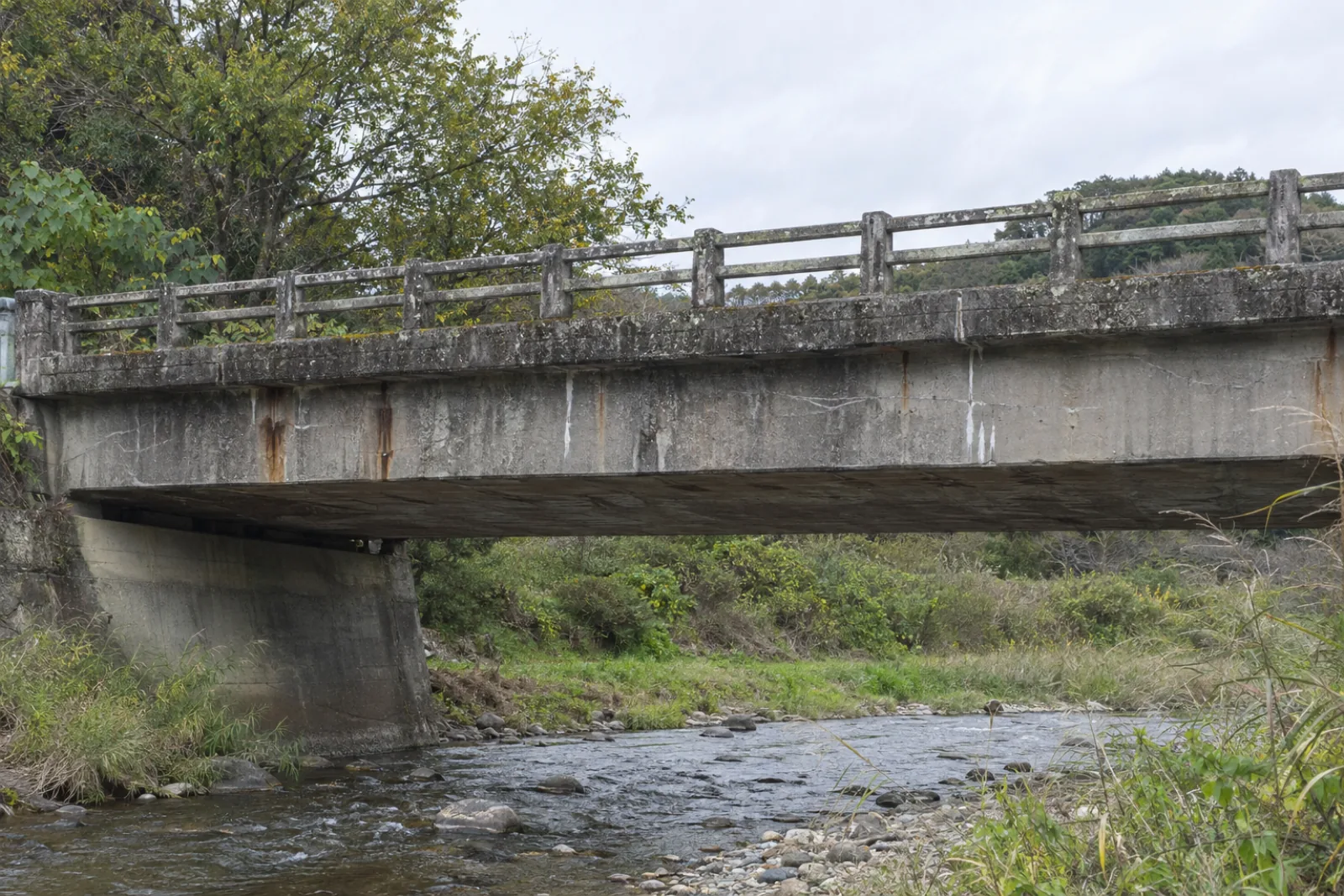
Meanwhile, there are not enough people to inspect them. About half of municipalities have five or fewer engineering staff (civil and building engineers), and 25% have none (as of April 2024; source: MLIT: promoting regional infrastructure cluster management).
Repairs are not keeping up either. Category III and IV bridges are supposed to be dealt with before the next inspection, within five years. Yet of the bridges put in category III or IV in fiscal 2019, prefectures and municipalities had started repairs on only 76%, and the rest had not been touched (MLIT, fiscal 2024 inspection results).
Where does AI help with inspection?
In February 2019 the government revised the periodic inspection guidelines so that inspections could use inspection support technology (cameras, drones, sensors and other tools that help with inspection). At the same time it listed 16 usable technologies in the Inspection Support Technology Performance Catalogue (source: MLIT: call for new inspection technologies for bridges and other structures).
What AI helps with is finding damage such as cracks and potholes in the photos and video that are taken. If the underside of a bridge is photographed by drone, the inspector does not have to look through every photo one by one, and can check the photos in which AI found damage.
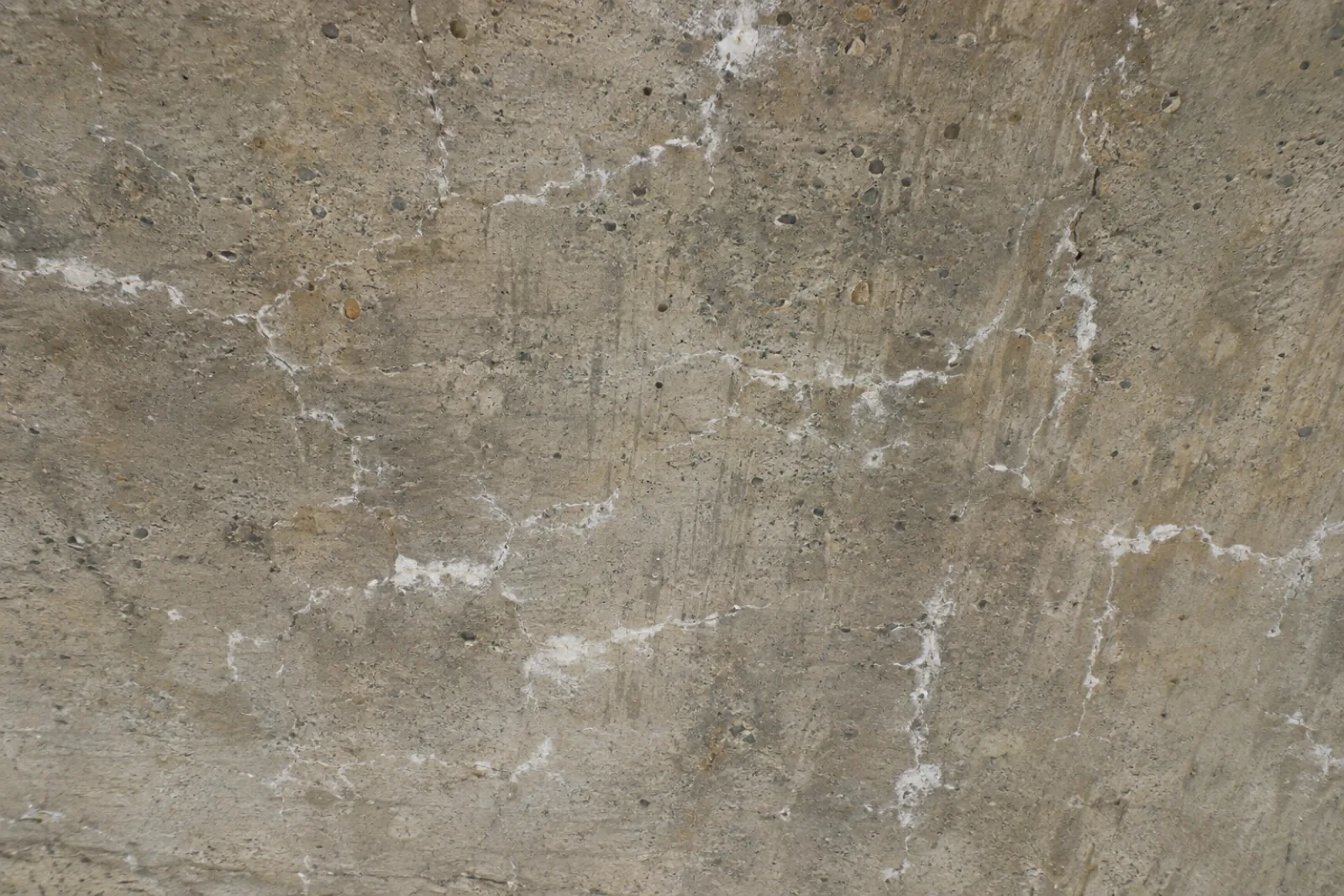
On national roads managed by the government, using camera and AI technology to find potholes during patrols became the rule from fiscal 2025 (source: MLIT: making inspection support technology the rule in directly managed inspections). The technologies the government tested, and how to read the list, are covered in Why have national road patrols started using cameras and AI?
Does AI make the inspection diagnosis too?
No. Under the government's rules, a person with the necessary knowledge and skills inspects the bridge, based on close visual inspection (looking from within arm's reach), and diagnoses its condition in one of four categories. Since the 2019 revision, other methods such as inspection support technology may also be used if the inspector judges that they allow the same diagnosis as close visual inspection (source: MLIT Hokuriku Regional Development Bureau: revision of the periodic inspection guidelines).
AI can miss damage, and it can also judge something that is not damage to be damage. The inspector checks the photos in which AI found damage, and the road manager decides whether and when to repair.
Read next Reporting a pothole: LINE, an app or a phone call? / Why have national road patrols started using cameras and AI? / Can published AI models be used for road inspection?
For road managers AI that supports inspection work is published under licences that allow commercial use (Model Lab).
Last checked: 14 November 2026
References (in Japanese)
- MLIT Road Bureau: "Results of the fiscal 2024 inspections of bridges and other structures: Road Maintenance Annual Report (third round, year one)" (25 August 2025)
- MLIT: "The current state and future of ageing infrastructure"
- MLIT: "Promoting regional infrastructure cluster management" (study group material 1)
- MLIT: "Call for new inspection technologies for bridges and other structures"
- MLIT Hokuriku Regional Development Bureau: "Revision of the periodic inspection guidelines (technical advice)"
- MLIT: "Making inspection support technology the rule in directly managed inspections"
- MLIT: "Road Emergency Dial (#9910)"