What changes with Japan's revised pavement standard? Why pavements are now designed by "years until repair"
Under Japan's revised pavement standard, each design option is given the number of years until it reaches the point where repair is advised, and options are compared by their total cost from construction to repair. It applies to national roads designed from April 2027. How it differs from the old standard, how new materials are assessed, and what it means for municipal roads.
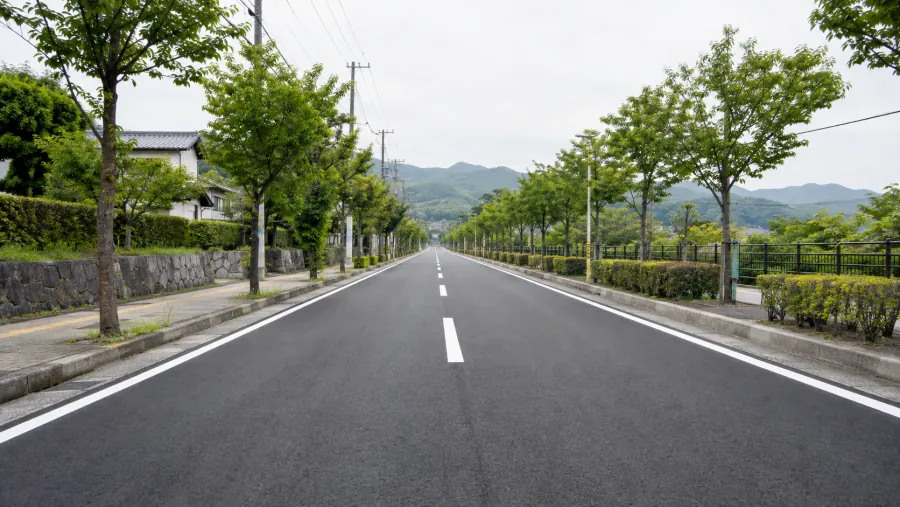
Under the revised pavement standard, pavements are compared and chosen by how many years they last before repair is needed. Each design option is given that number of years, and the options are compared by their total cost from construction to repair (life-cycle cost). MLIT revised the pavement ordinance on 30 September 2026 and updated the technical standard for the first time in 25 years (source: MLIT). It applies to expressway and national road pavements whose design begins on or after 1 April 2027.
What changes?
The old standard mainly judged pavements by their performance just after construction. The main measure was the number of fatigue-failure wheel passes: how many times a wheel load of about 5 tonnes (49 kN) can pass before cracks appear. On roads with 3,000 or more heavy vehicles per lane per day, the requirement was at least 35 million passes per 10 years (source: MLIT technical standard for pavement structure (2001)).
Under the revised standard, each option is given the number of years until it reaches the condition where repair is advised (the assumed performance retention period), and costs are compared on that basis. The press materials sum up the revision in three points (source: MLIT press materials).
- Bring years until repair into design, and make clear how life-cycle cost is calculated
- Widen how performance can be shown, accepting laboratory tests as well as full-scale tests
- Consider reuse of materials such as old asphalt and the use of low-carbon materials at the design stage
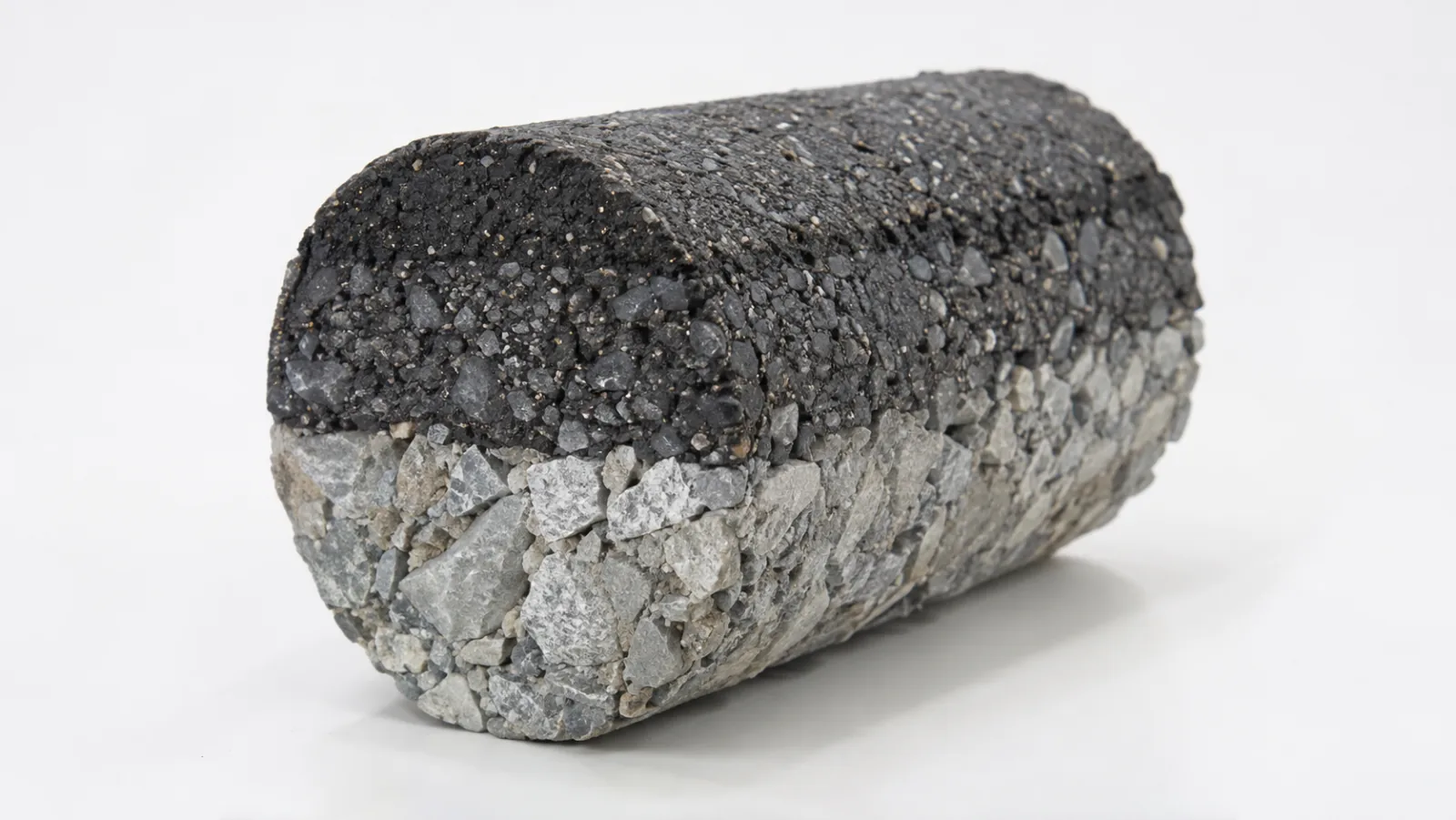
When choosing a structure, the life-cycle cost and carbon dioxide emissions of each option are weighed together. Options are compared not only by the cost of building them but by cost over the years until repair is needed.
How are the years until repair set?
First, the condition where repair is advised (the recommended performance recovery condition) is defined by values of indicators such as cracking and rutting. The years until the pavement reaches it are the years assumed in design. The standard sets guide values for the main indicators as follows (source: MLIT technical standard for pavement structure (for designs from 1 April 2027)).
| Indicator | Guide value for repair |
|---|---|
| Cracking ratio | 40% or less |
| Rut depth | 40 mm or less |
| IRI (roughness index) | 8 mm per metre or less |
| Permeability (porous pavement) | 200 mL per 15 seconds or more |
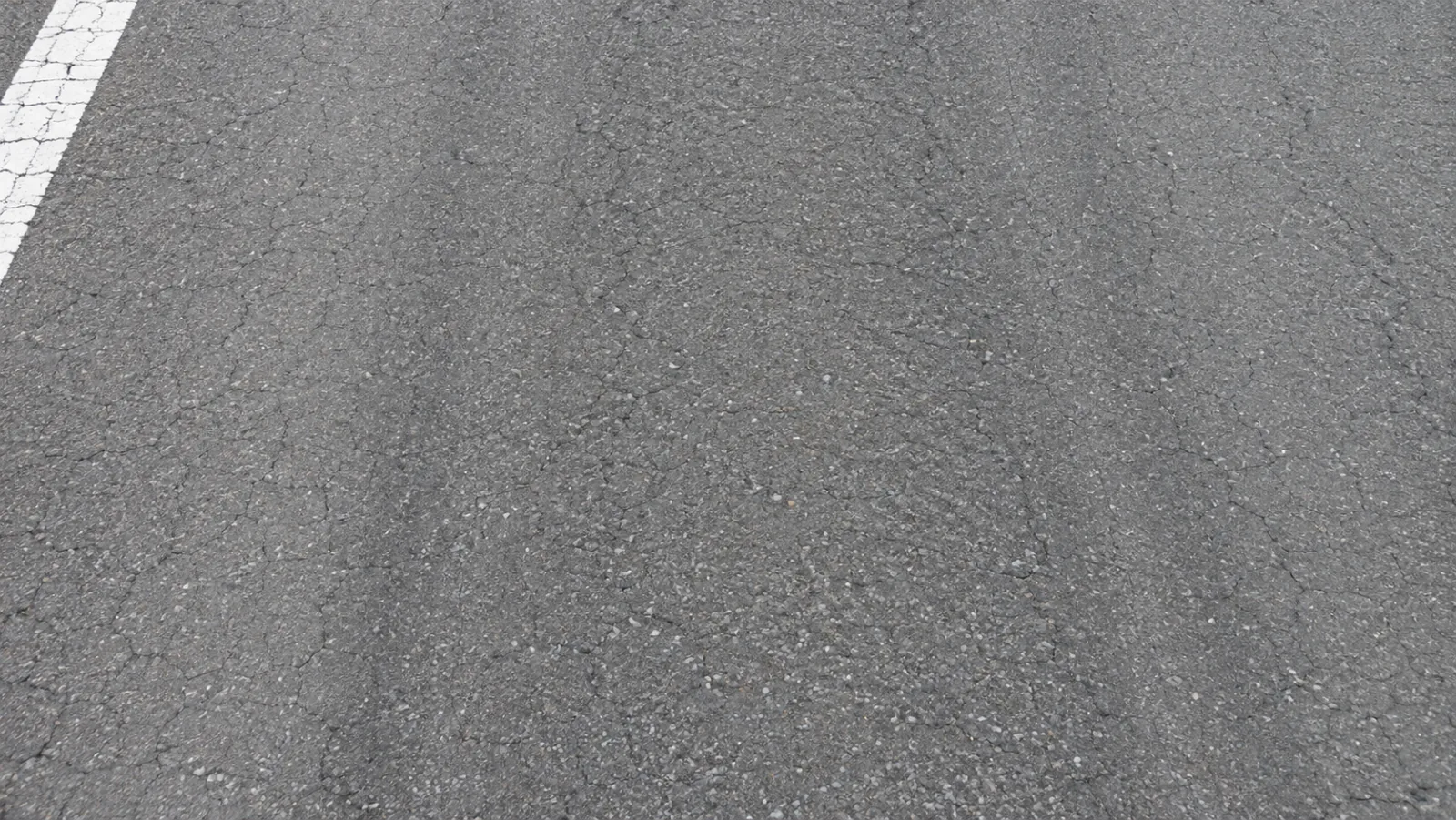
The road manager decides which indicators and values to use. The standard minimum is 10 years for the ability to spread loads to the layers below, and 2 years for other performance.
Will new materials and methods be easier to use?
Yes. The old standard assumed a full-scale pavement had to be built and loaded repeatedly, which the press materials call a high hurdle for assessing performance. The revised standard allows three ways to set the years.
| Method | What it does |
|---|---|
| Material property method | Calculates the years from material properties measured in the laboratory |
| Full-scale experience method | Uses full-scale tests or the record of use on real roads |
| Estimated equivalence method | Compares with an existing structure whose years are known, using laboratory results and similar data |
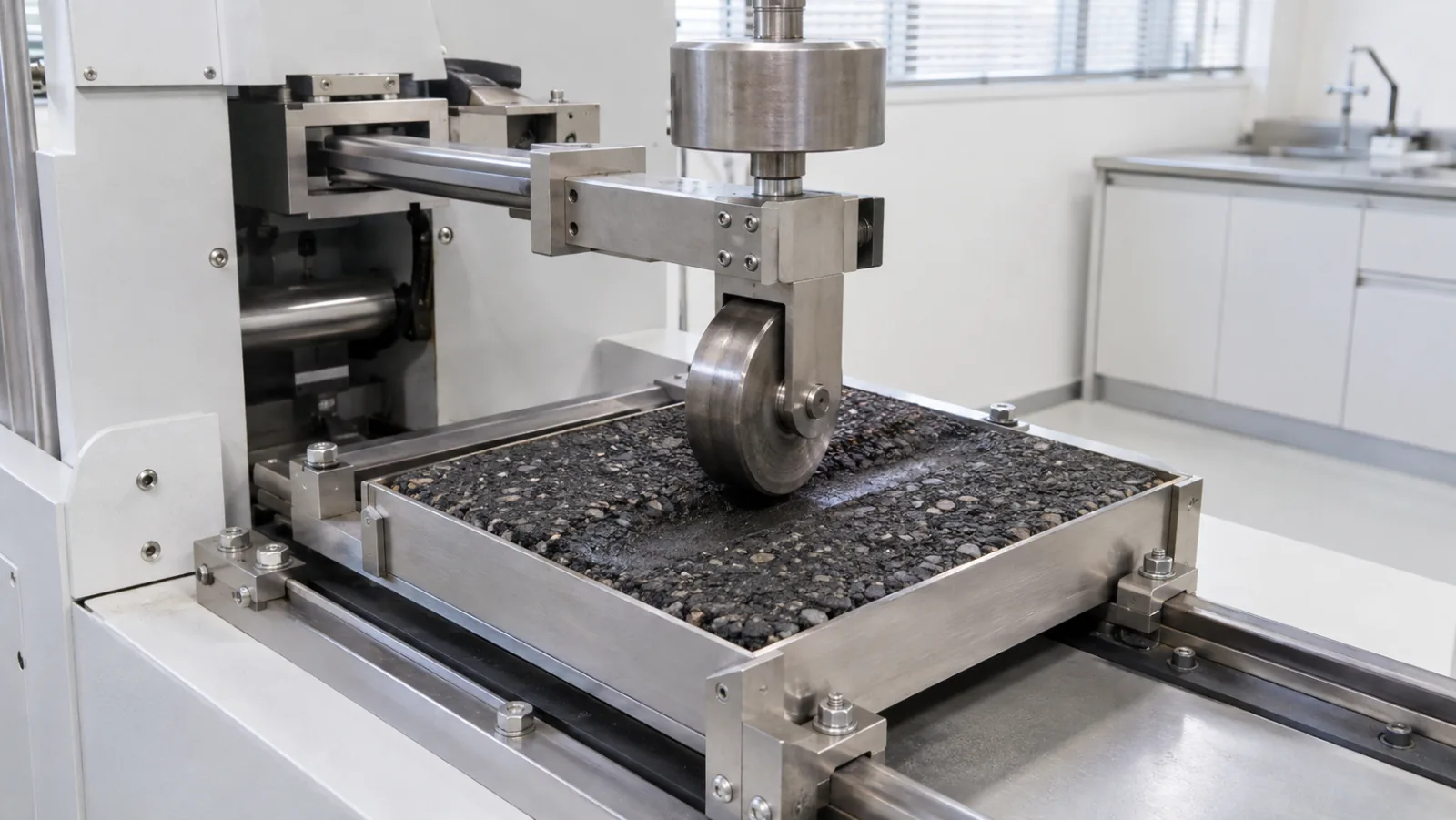
The material property method is not yet well established. For now the full-scale experience and estimated equivalence methods are used, with the aim of using the material property method in future. The road manager decides which method is appropriate.
The materials give warm-mix asphalt (made at a lower temperature) as an example of a low-carbon material or method. For construction, the standard also calls for active use of machinery with low carbon dioxide emissions.
When does it apply, and to which roads?
The revised ordinance takes effect on 1 April 2027. The ordinance and standard apply to pavements whose design begins on or after that date. Roads designed before then may keep the previous rules even where they don't meet the new provisions (supplementary provisions of the ordinance).
It covers national expressways and general national roads. If you are about to commission a design, check the provisions on indicators and how the years are calculated in the text of the revised standard.
What about municipal roads?
Structural standards for prefectural and municipal roads are, with some exceptions, set by each local government's ordinance with reference to the national standards (Road Act, Article 30(3)). The revision does not apply to municipal roads automatically. How it affects your roads depends on your local ordinance and practice.
How does it connect with inspection results?
The technical standard covers design and construction, while the Pavement Inspection Guidelines cover inspection of pavements in use. Under the guidelines, for asphalt pavements on roads where damage progresses quickly (categories A and B), the road manager sets a target service life for the surface course and diagnoses against management criteria. An appendix gives an example where the criteria are a cracking ratio of 40% and rut depth of 40 mm (source: MLIT Pavement Inspection Guidelines).
For repair design, the revised standard requires the current condition of the section, changes in design conditions and past repair records to be reflected in the design. It also requires the design process, structure, construction timing and quality to be recorded and kept. The more inspection records you keep, the more they can be used in the next repair design. Inspection categories and diagnosis levels are covered in What are Japan's Pavement Inspection Guidelines?
Read next What are Japan's Pavement Inspection Guidelines? And why pothole response is left out / What types of asphalt are used on roads?
For road managers I run MICHIKARTE, a service that lets road users record damage they find with a smartphone and passes it on to road managers.
Last checked: 10 November 2026
References (in Japanese)
- MLIT: "Revision of the ordinance on pavement structure standards for carriageways and side strips, and of the technical standard for pavement structure" (30 September 2026)
- MLIT press materials (PDF, including main points, revised ordinance and technical standard)
- MLIT: "Technical standard for pavement structure" (for pavement designs begun on or after 1 April 2027)
- MLIT: "Technical standard for pavement structure" (29 June 2001)
- MLIT Road Bureau: "Pavement Inspection Guidelines", October 2016
- e-Gov: "Road Act"